 Skip to content
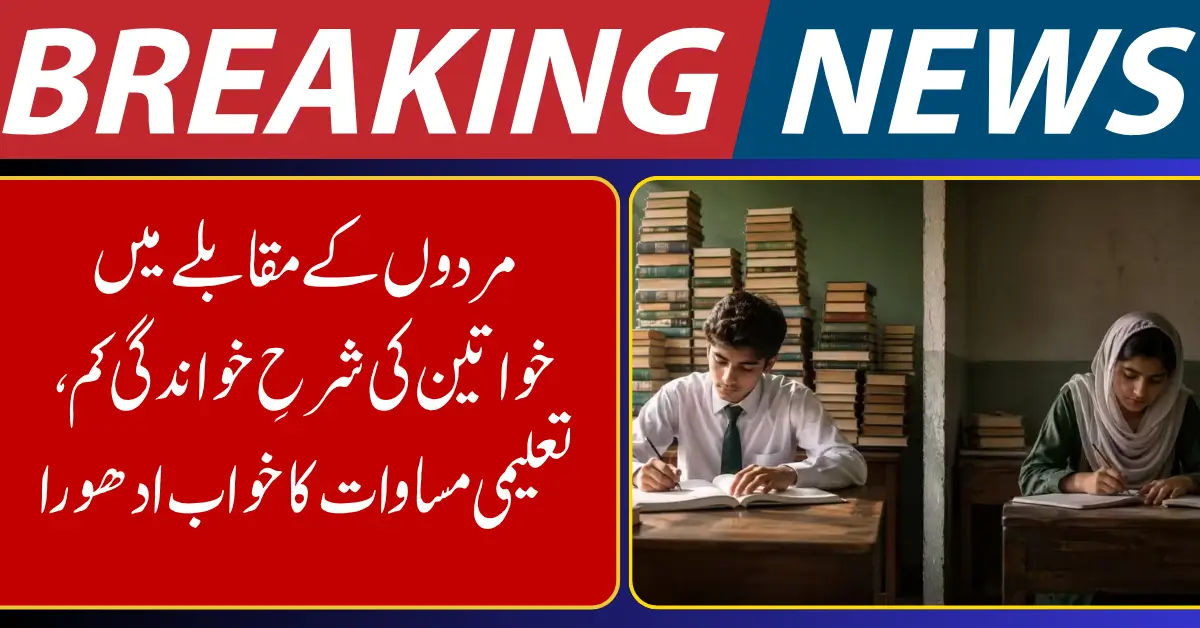
Pakistan’s education sector continues to face a significant challenge as the gap between male and female literacy remains one of the largest barriers to social and economic progress. Recent official data shows that while a large majority of men can read and write, female literacy continues to lag behind, highlighting persistent inequalities in access to education across the country.
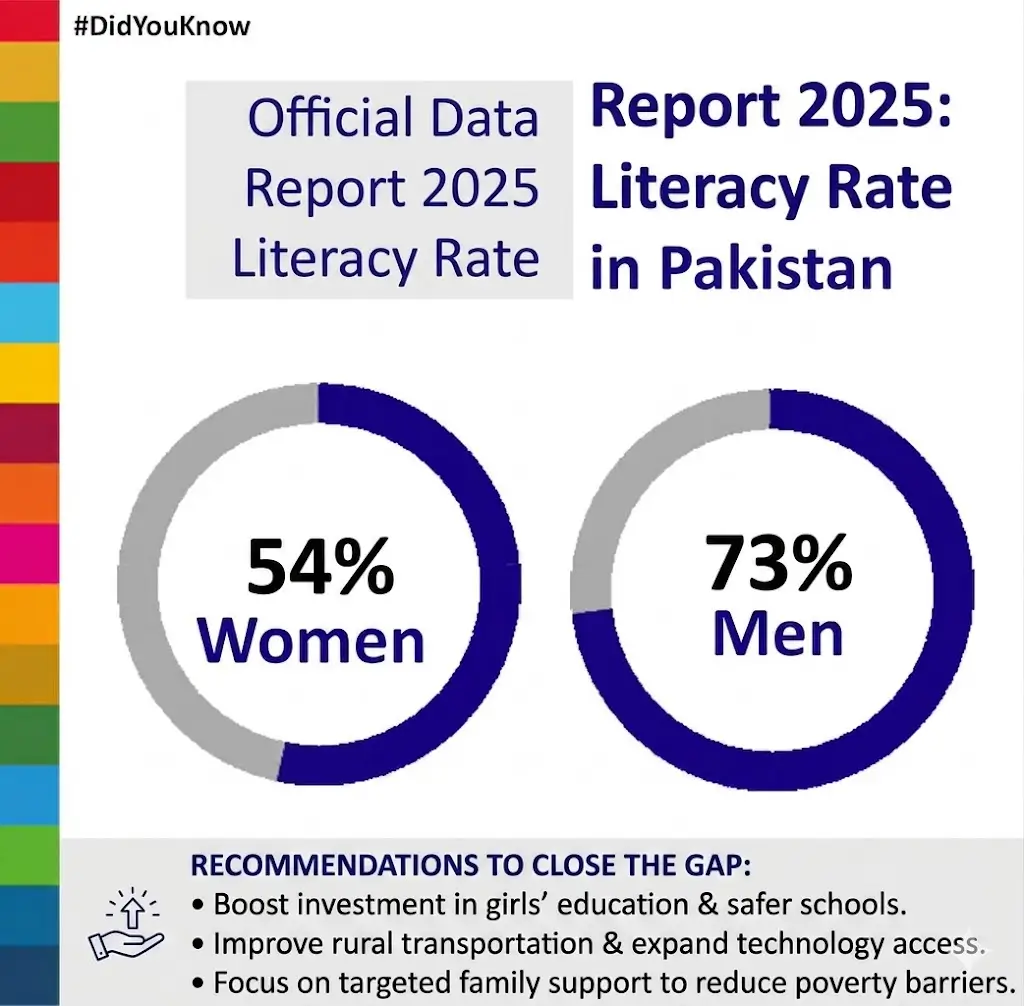
The latest figures reveal that male literacy stands at 73 percent, compared to 54 percent for women, leaving a gap of nearly 19 percentage points. The statistics reflect long-standing issues that have limited educational opportunities for girls, particularly in rural and underserved regions.
Education experts say literacy is more than the ability to read and write. It directly affects employment opportunities, income levels, health awareness, digital participation, and financial independence. Lower literacy rates among women can reduce their ability to participate fully in the workforce and contribute to economic growth.
ReadMore: BISE Sukkur 12th Class Result Gazette 2026 PDF Download
Several factors continue to drive the disparity. These include poverty, school shortages, long travel distances, early marriages, security concerns, and cultural barriers that discourage girls from continuing their education. In many communities, boys are still given priority when educational resources are limited.
Despite these challenges, there are encouraging signs of progress. Female enrollment in universities has increased in recent years, while government-backed initiatives aimed at improving digital access are helping more young women participate in modern learning opportunities. Programs providing scholarships, laptops, and skills training have also shown positive results.
One notable example is the Prime Minister’s Laptop Scheme, where women accounted for more than half of the participants. The strong response demonstrates that when educational opportunities are made available, female students actively take advantage of them and perform competitively.
Experts believe closing the literacy gap requires greater investment in girls’ education, improved school infrastructure, safer transportation, and targeted support for families in low-income areas. Expanding access to technology and digital learning can also play a crucial role in reaching students who face barriers to traditional education.
Read More: Girls’ Education Improves as Pakistan Reduces Out-of-School Child Population
As Pakistan works toward stronger economic growth and human development, improving female literacy remains a critical priority. Increasing educational opportunities for women will not only empower individuals but also strengthen communities, boost workforce participation, and support the country’s long-term development goals.