 Skip to content

The Punjab education authorities have approved an innovative initiative called “Libraries on Wheels”, aimed at transforming learning opportunities for students in government schools across Lahore. The project is designed to promote a stronger culture of reading, digital literacy, and interactive education among young learners.
Each mobile unit will feature modern educational tools, including 20 tablets per vehicle, a large LED interactive screen, and a collection of curated books aligned with school curricula. These digital resources are expected to support both academic learning and skill-based education, helping students become familiar with technology at an early stage.
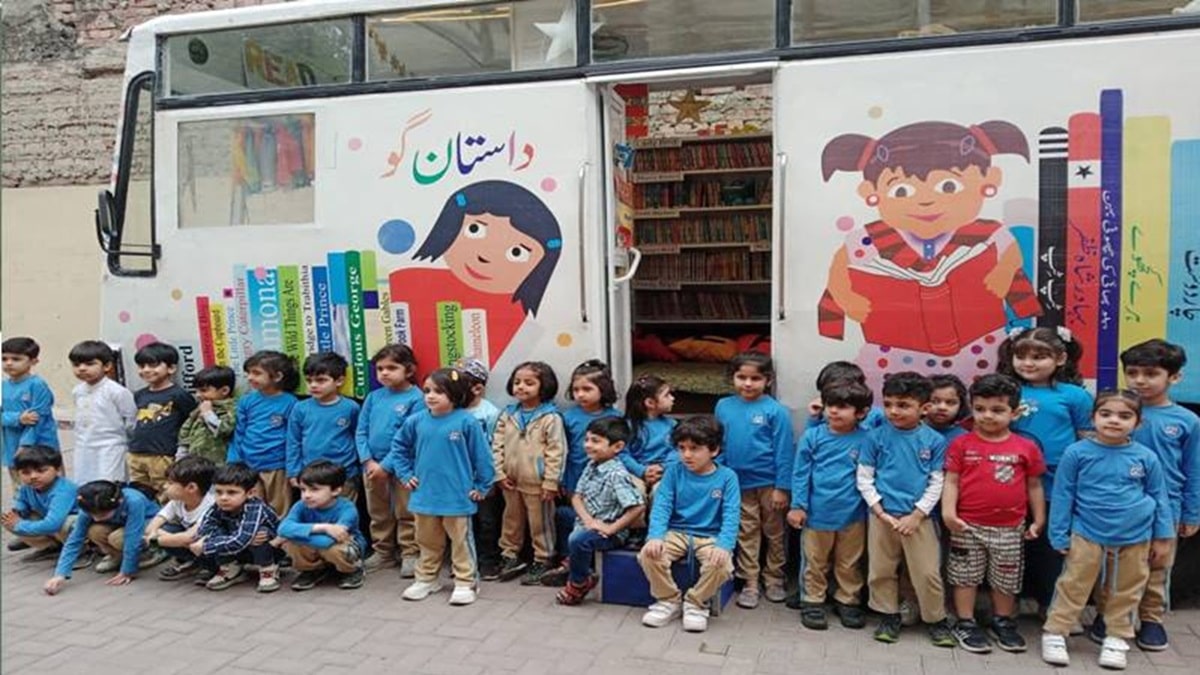
Under this programme, a fleet of 85 electric vehicles will be converted into fully equipped mobile libraries. These vehicles will travel between schools on a fixed daily schedule, ensuring that students from different areas can access learning resources without needing a traditional library building.
Read More: BISE Bannu 12th Class Result Gazette 2026 PDF Download
Officials said the initiative carries an estimated cost of around Rs. 198 million and reflects a broader shift toward smart education systems in Punjab. The mobile libraries will be charged at designated solar or electric charging stations installed within schools, ensuring smooth daily operations.
According to the District Education Authority, each vehicle will visit one school per day, delivering structured reading sessions, digital lessons, and guided learning activities. The goal is to reduce the gap between urban and rural education standards by bringing quality resources directly to students.
CEO Tariq Mahmood emphasized that the project will combine traditional books with modern digital tools, creating a blended learning environment. He added that students will gain access to updated educational content, interactive lessons, and digital platforms that encourage curiosity and critical thinking.
Education experts believe such initiatives can play a key role in improving literacy rates, student engagement, and classroom performance, especially in government schools where access to resources is often limited.